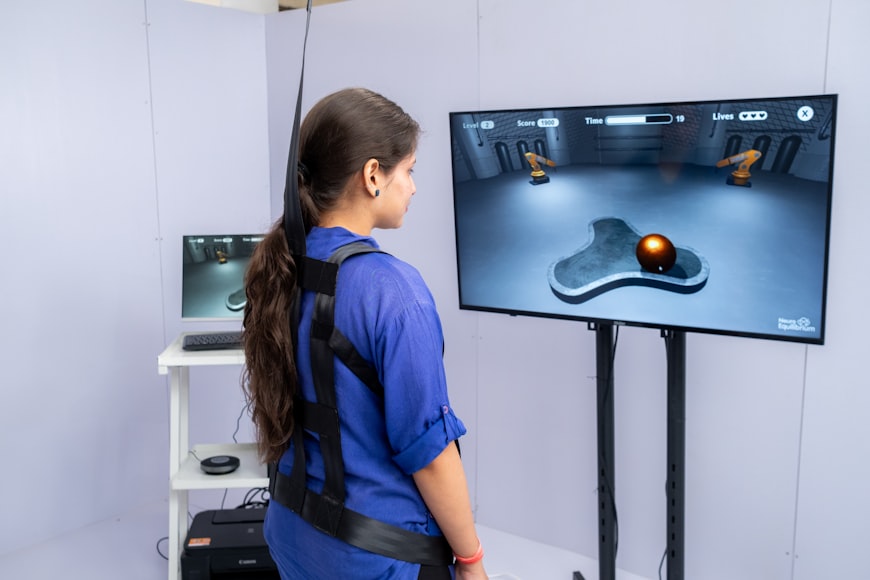
Learning to code has traditionally been seen as difficult, intimidating, and—let's be honest—boring. Endless syntax rules, abstract concepts, and hours of debugging have driven countless aspiring programmers away before they even began. But a new generation of gamified coding and robotics apps is changing that narrative entirely. By turning programming into fun missions, complete with rewards, levels, and immediate feedback, these apps are making coding accessible, engaging, and even addictive for beginners of all ages.
The numbers are striking. The global gamified education market is projected to reach $72 billion by 2028, with coding and robotics apps representing one of the fastest-growing segments. Students using gamified coding apps show a 40 percent increase in engagement and a 30 percent improvement in retention compared to traditional programming education methods. These are not marginal improvements—they are transformative shifts in how people learn to code.
What makes gamification so effective for coding and robotics education? The answer lies in the psychology of motivation. Gamification taps into the same reward systems that make video games so compelling—achievement, progress, competition, and mastery. When learning feels like a game, students are motivated to continue, even when they encounter challenges. The result is sustained engagement that leads to genuine skill development.
Inside This Analysis
- Why Gamification Works: The Psychology of Game-Based Learning
- By the Numbers: The Gamified EdTech Revolution
- Key Gamification Mechanics: Points, Badges, and Levels
- Leading Gamified Coding and Robotics Apps
- Beyond Coding: Gamified Robotics Apps
- The Benefits: Why Gamified Learning Works
- Challenges and the Road Ahead
Why Gamification Works: The Psychology of Game-Based Learning
Gamification is not just about making learning fun—it is about leveraging the brain's reward systems to sustain motivation and deepen engagement. When we play games, our brains release dopamine, a neurotransmitter associated with pleasure and reward. This dopamine release creates a positive feedback loop that motivates us to continue playing.
Gamified learning apps harness this same mechanism for educational purposes. When a student completes a coding challenge and receives points, a badge, or a level-up, their brain releases dopamine. This reinforces the learning behavior and motivates them to continue. Over time, the association between learning and reward becomes ingrained, creating a genuine love for the subject.
Several psychological principles explain why gamification is so effective:
- Immediate Feedback: Gamified apps provide instant feedback on student actions. When a student writes code correctly, they see the result immediately. When they make a mistake, they know right away and can correct it. This rapid feedback loop accelerates learning.
- Progressive Challenge: Gamified apps start with simple tasks and gradually increase in difficulty. This progressive challenge keeps students in their "zone of proximal development"—where tasks are challenging enough to be interesting but not so difficult that they become frustrating.
- Sense of Progress: Visual progress indicators—levels, experience bars, and achievement trackers—show students how far they have come. This sense of progress is highly motivating and encourages persistence.
- Social Comparison: Many gamified apps include leaderboards and social features that allow students to compare their progress with others. While this can be competitive, it also creates a sense of community and shared purpose.
By the Numbers: The Gamified EdTech Revolution
These numbers represent a fundamental shift in how students learn to code. Traditional programming education has high dropout rates—many students give up before they reach proficiency. Gamified apps dramatically reduce this dropout rate by making learning more engaging and less intimidating.
The 45 percent continuation rate is particularly significant. While 55 percent of students still give up, this is far better than the estimated 80 percent dropout rate in traditional programming courses. The improvement reflects the power of gamification to sustain motivation through challenges.
Research shows that students who use gamified coding apps are also more likely to pursue advanced programming courses and careers in technology. The early success builds confidence that carries forward into more advanced learning.
Key Gamification Mechanics: Points, Badges, and Levels
Gamified coding and robotics apps use several key mechanics to create engaging learning experiences. These mechanics are not just gimmicks—they are grounded in educational psychology and designed to support learning outcomes.
The combination of these mechanics creates an experience that is more engaging than traditional instruction. Students are not just learning—they are playing. And because they are playing, they are more likely to persist through challenges and develop genuine expertise.
Leading Gamified Coding and Robotics Apps
Several gamified apps have emerged as leaders in the coding and robotics education space, each offering unique approaches to teaching programming concepts:
Each of these apps takes a different approach to gamification, but they all share a common goal: making coding and robotics accessible and engaging for beginners. The variety means that teachers and parents can find an app that matches their student's age, interests, and learning style.
One of the most important developments in this space is the move toward apps that teach real programming languages rather than simplified block coding. While block coding is excellent for introducing concepts, students eventually need to transition to text-based programming. Apps like Codeverse and Swift Playgrounds bridge this gap, providing a smooth progression from blocks to syntax.
Beyond Coding: Gamified Robotics Apps
Robotics education has been transformed by gamified apps that allow students to program virtual robots. These apps provide a risk-free environment where students can experiment, fail, and learn without the cost and safety concerns of physical robotics.
Virtual Robotics Platforms: Apps like Robotize and VEX VR allow students to program robots in virtual environments. Students can:
- Design and program robots to complete missions
- Test algorithms in safe, virtual environments
- Learn engineering principles through trial and error
- Compete with others in virtual robotics competitions
Real-World Robotics Integration: Some gamified robotics apps connect to physical robots:
- LEGO Robotics: Apps that integrate with LEGO Mindstorms allow students to program physical robots and see their creations come to life
- Sphero: Gamified apps that teach programming through controlling a physical robot ball
- Dash and Dot: Robot toys that can be programmed through gamified apps, bridging the gap between virtual and physical
The gamification of robotics education has made it more accessible to students who might not have considered engineering careers. By making robotics feel like a game, these apps attract a diverse range of students and build confidence that translates into real-world skills.
The Bottom Line:
Gamified coding and robotics apps are not just about making learning fun—they are about building skills, confidence, and a genuine passion for technology. By leveraging game mechanics, these apps help beginners persist through challenges and develop expertise that opens doors to future opportunities.
The Benefits: Why Gamified Learning Works
The benefits of gamified coding and robotics education extend far beyond engagement. Research has documented a range of positive outcomes that make gamified learning a valuable educational approach.
Reduced Intimidation: Traditional coding education can feel overwhelming—infinite syntax rules, abstract concepts, and a steep learning curve. Gamified apps break down complex topics into manageable pieces. Students start with simple tasks and gradually progress to more advanced concepts. This reduces intimidation and builds confidence.
Increased Persistence: Gamification creates a safe environment for failure. When students fail a coding challenge, it is just a game—they can try again, learn from their mistakes, and eventually succeed. This persistence is crucial for programming, where failure is a normal part of the learning process.
Better Retention: Gamified learning leads to better retention because it is active and engaging. Students are not passively absorbing information—they are actively solving problems and applying concepts. This active learning is more effective than passive methods.
Transferable Skills: Gamified coding apps teach skills that extend beyond programming. Problem-solving, logical thinking, creativity, and persistence are all developed through gamified learning. These skills are valuable in any field.
Social Connection: Many gamified apps include community features that connect students with peers. This social element reduces isolation and creates a sense of belonging that encourages continued learning.
Challenges and the Road Ahead
Despite their success, gamified coding and robotics apps face significant challenges that must be addressed.
Despite these challenges, the future of gamified coding and robotics education is bright. As the technology continues to evolve, we can expect to see even more sophisticated apps that combine gamification with AI-powered personalization, adaptive difficulty, and real-world application. The next generation of coders and roboticists will likely be shaped by these gamified experiences, developing skills and confidence that will serve them throughout their lives.
For now, the message is clear: gamification is not just making coding and robotics more fun—it is making them more accessible, more effective, and more inclusive. Whether you are a student, a parent, or a teacher, there has never been a better time to start learning to code.
Stay Informed About EdTech Apps
Subscribe to our weekly newsletter for the latest updates on gamified learning, coding apps, and the apps transforming education delivered directly to your inbox.
Subscribe Now